UNDERSTANDING CHINA’S LEADERSHIP
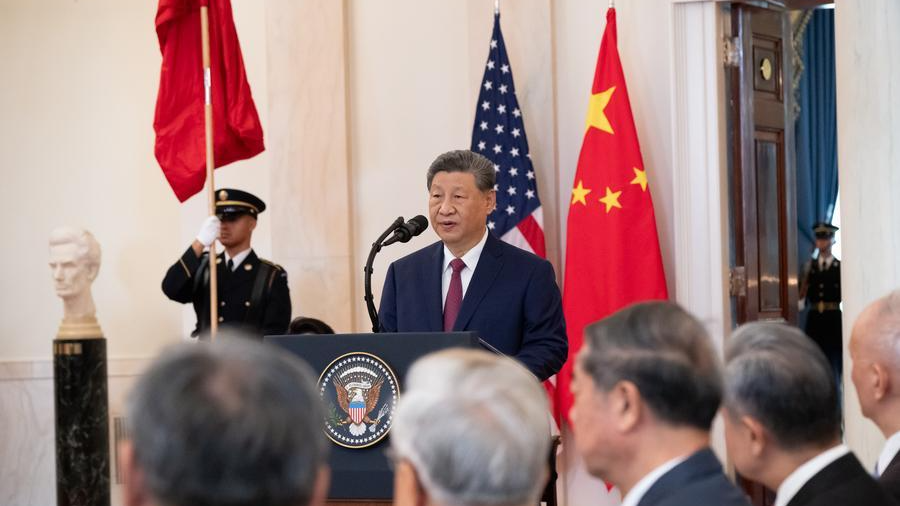
The 15th Five-Year Plan will focus on the central task of "comprehensively advancing the great rejuvenation of the Chinese nation through a Chinese path to modernization and ensuring decisive progress in basically realizing socialist modernization by 2035." It aims to achieve breakthroughs in multiple key areas ranging from high ground in sci-tech to high-quality population development.
Humans are not prisoners in this world; they are endowed with free will to choose to become better, solve problems, and make the world better for everyone.
The Boao Forum for Asia Annual Conference 2026 will throw more light on China's vision and plans as well as global experts' thoughts and recommendations.
The China Development Forum, being held at a critical time, symbolizes that amidst conflict, the demand for dialogue and cooperation remains strong.
Chinese approach is "let us make you rich." And the United States' is "we've come to plunder you."
Respondents in Canada, Germany, France and the UK increasingly see China as a more dependable partner than the US and believe the Asian economic colossus is leading on advanced technologies, including artificial intelligence.
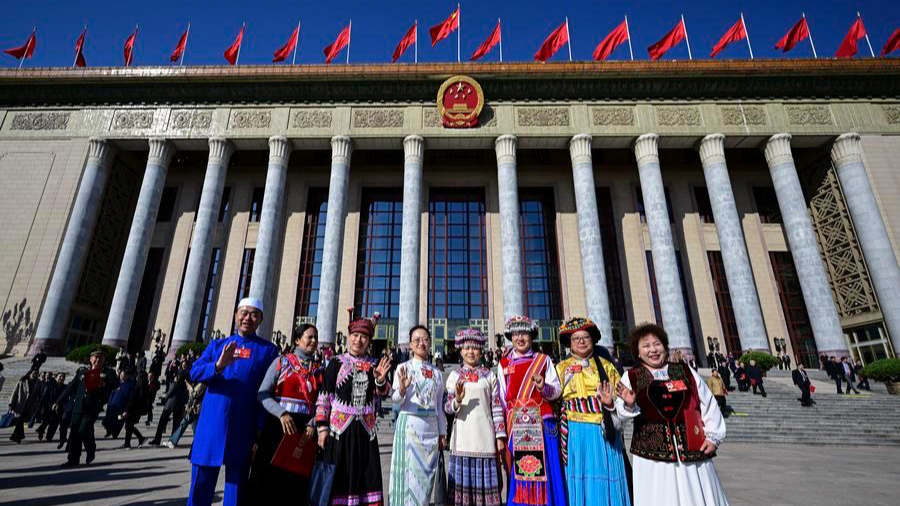
In this sense, the draft law represents a model approach to addressing ethnic issues internationally. Western countries should view China's development objectively and cease their deliberate efforts to fabricate and incite untruthful anti-China rhetoric.
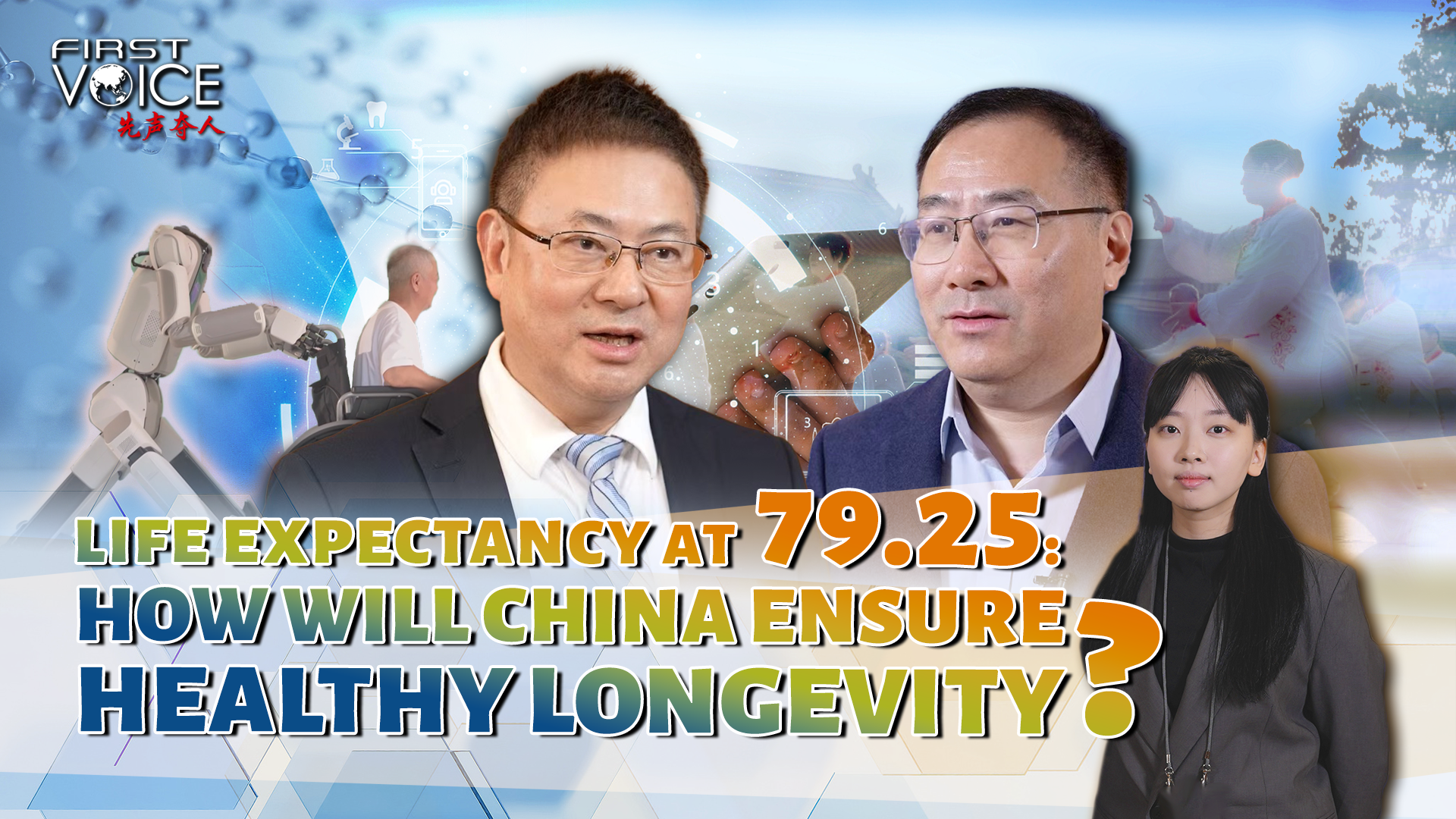
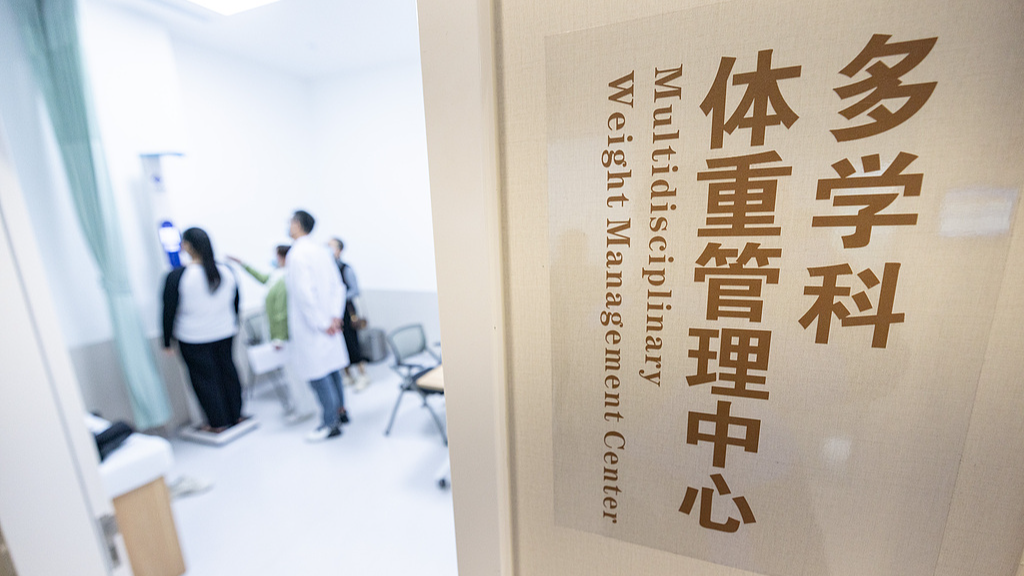
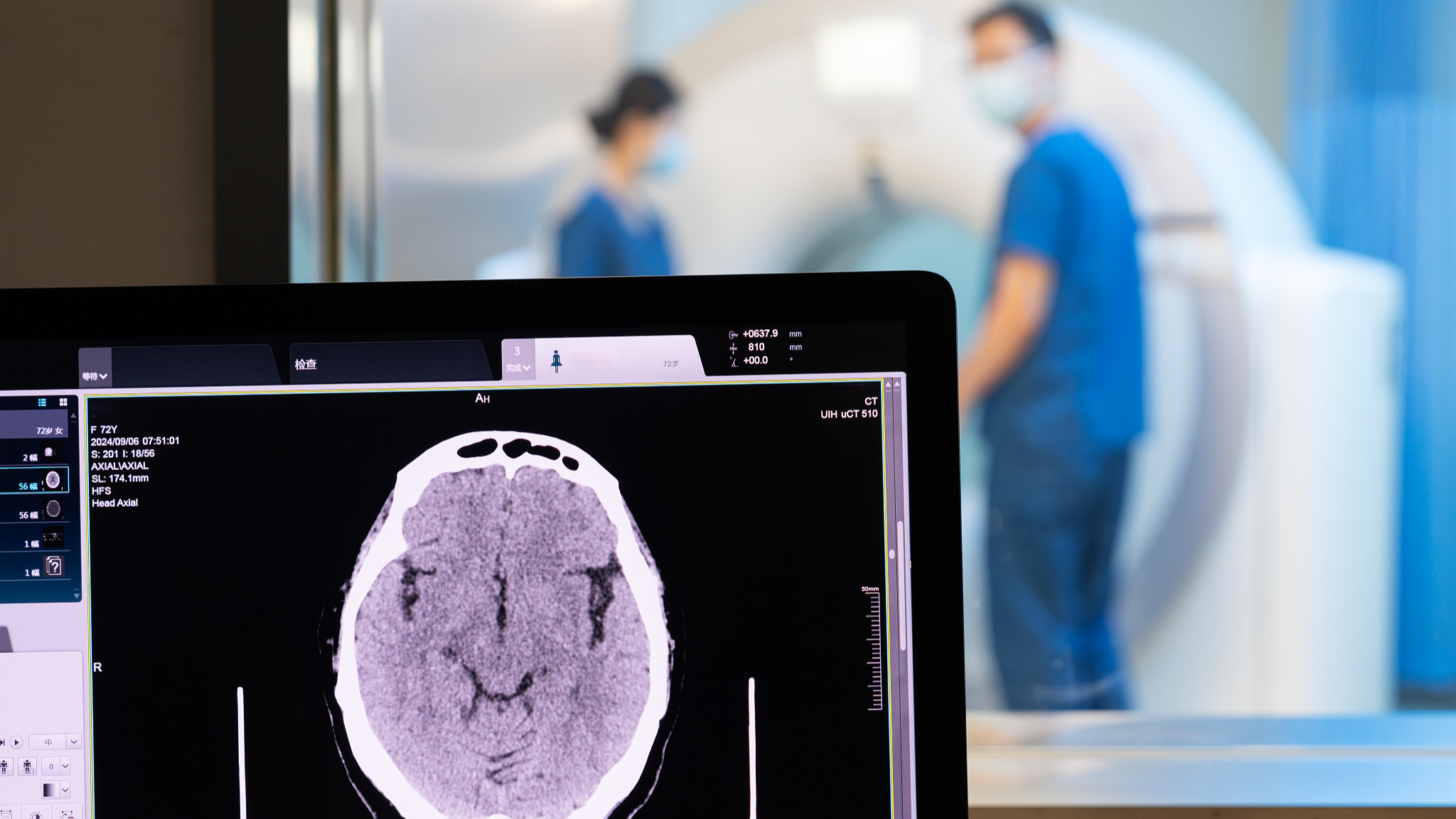
Within less than 80 years, China's average life expectancy has more than doubled from about 35 to 79.25 in 2025.
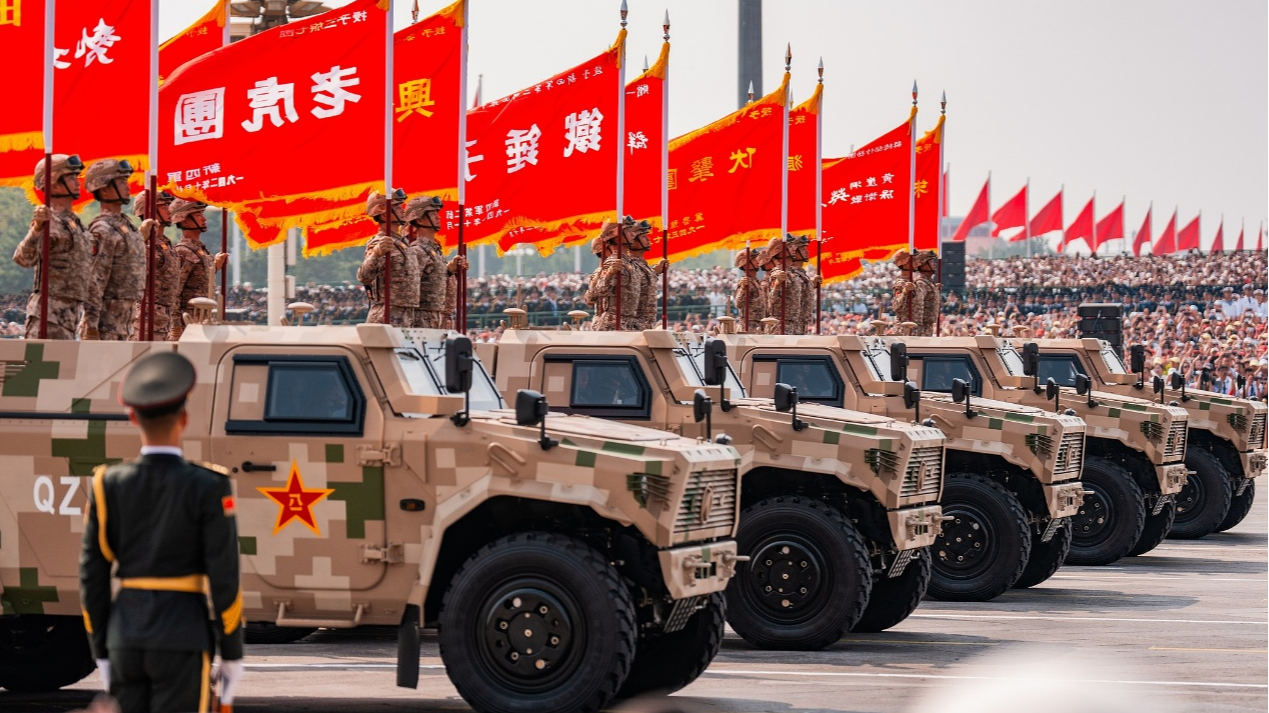
China's consistently low GDP share and clearly focused defensive applications together outlined a restrained path of defense development with Chinese characteristics.
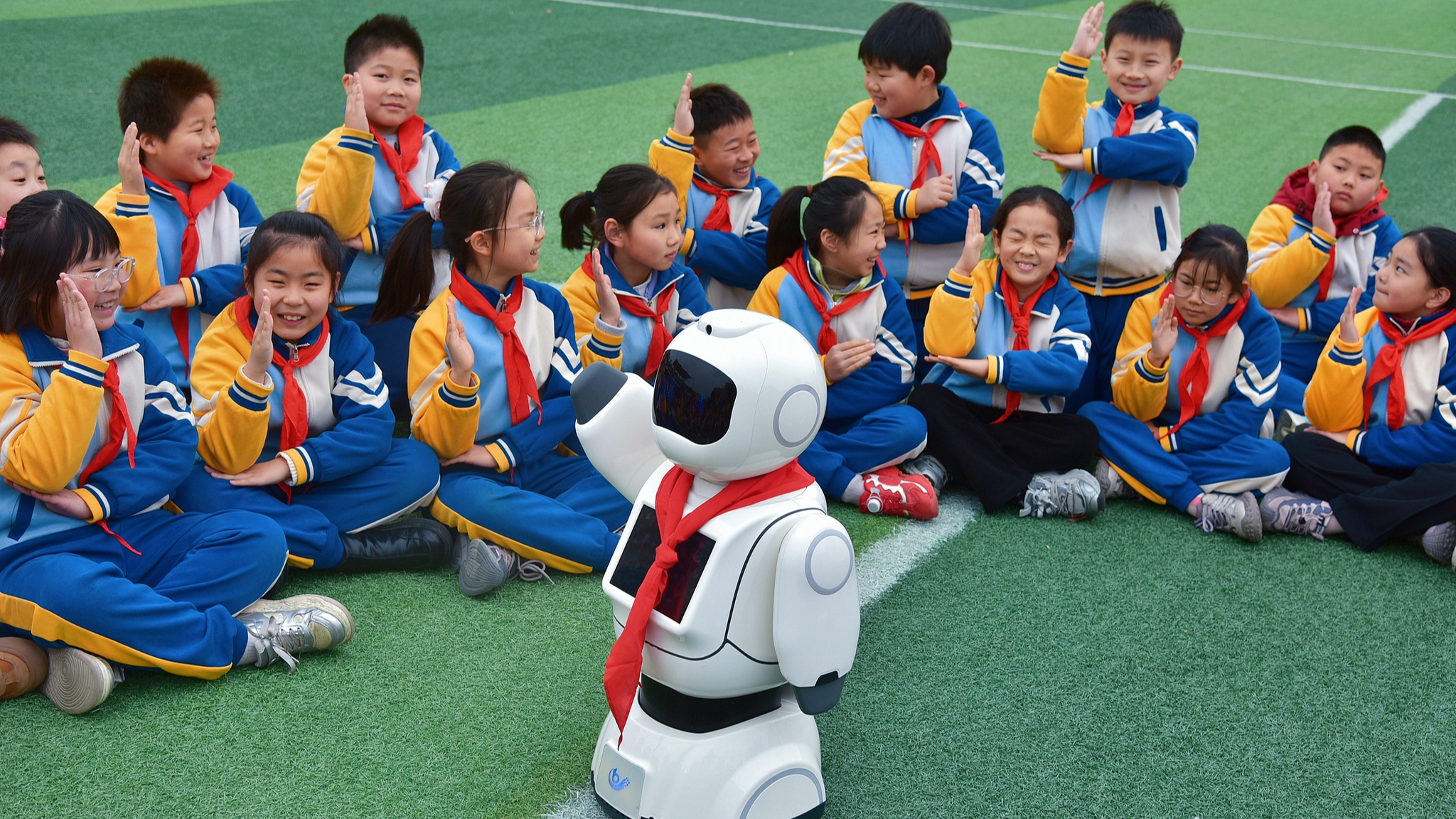
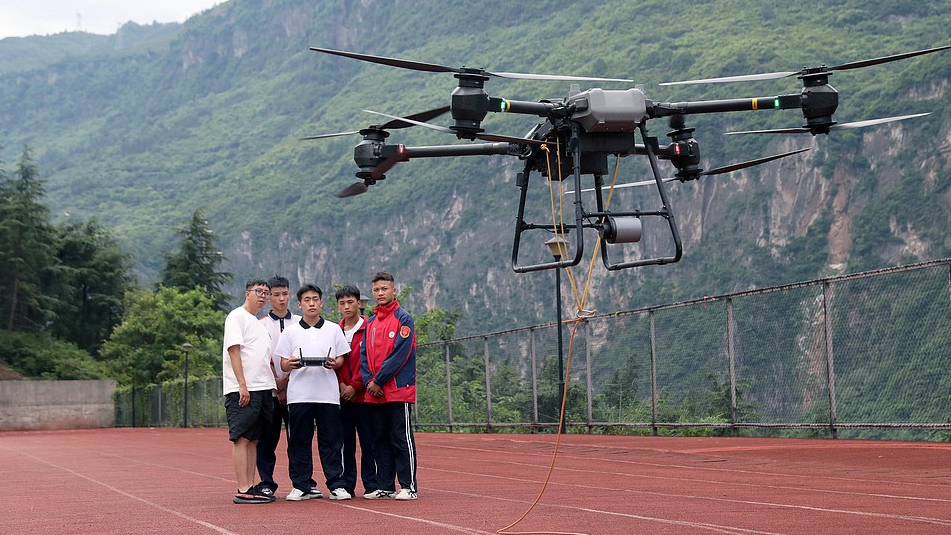
Education is the nexus where people's aspirations for a better life meet the nation's strategic needs for talent and innovation.
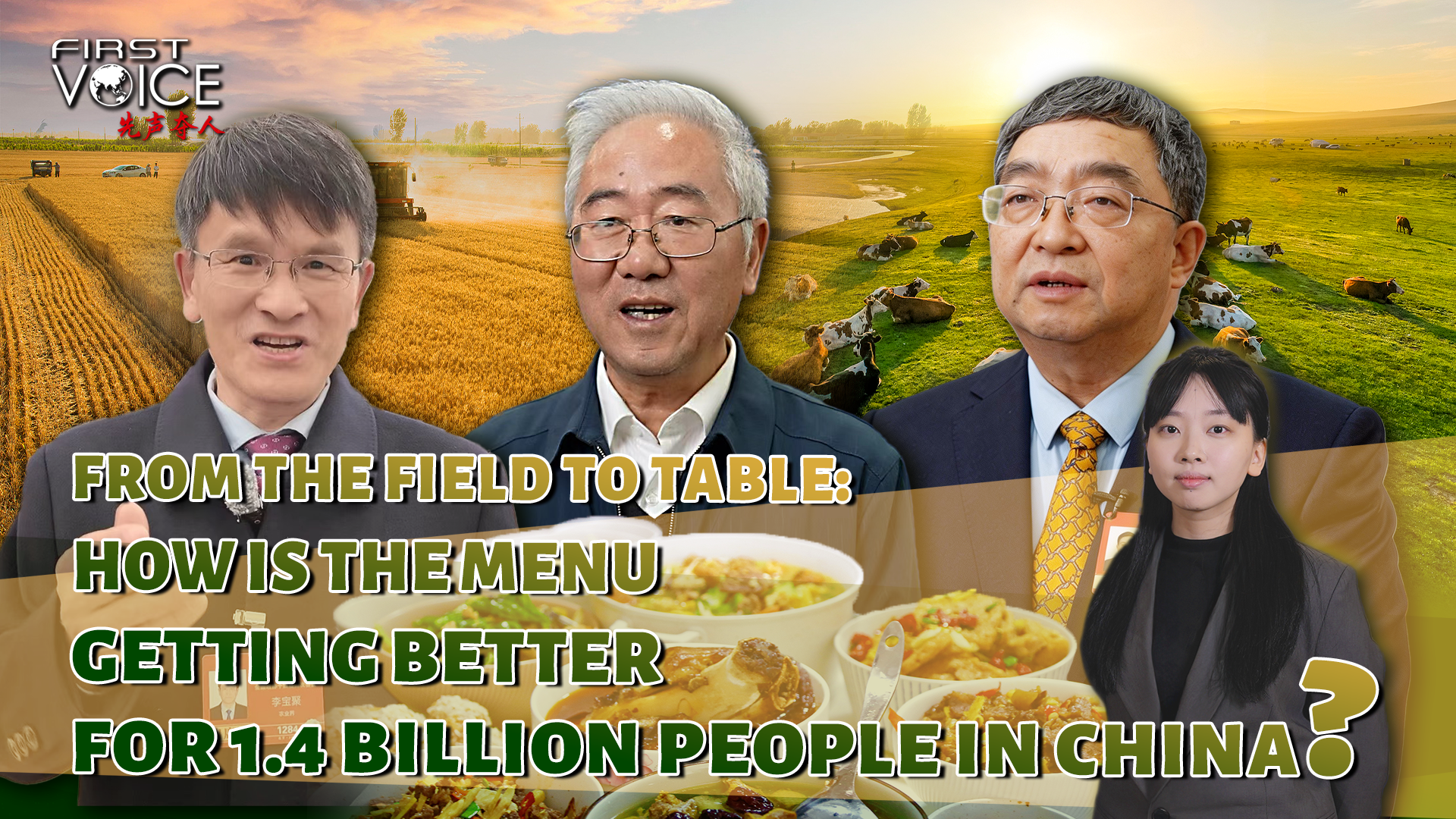
From farmland to family tables, it's part of China's modernization story.
Beijing aims to contribute to a more balanced global order based on dialogue, stability and shared development.
China has proved its resilience and adaptability for ever newer challenges over the past 75 years and counting.
China's economy is not entering a period of decline. Rather, it is undergoing a complex but necessary transition aimed at strengthening long-term resilience and competitiveness.
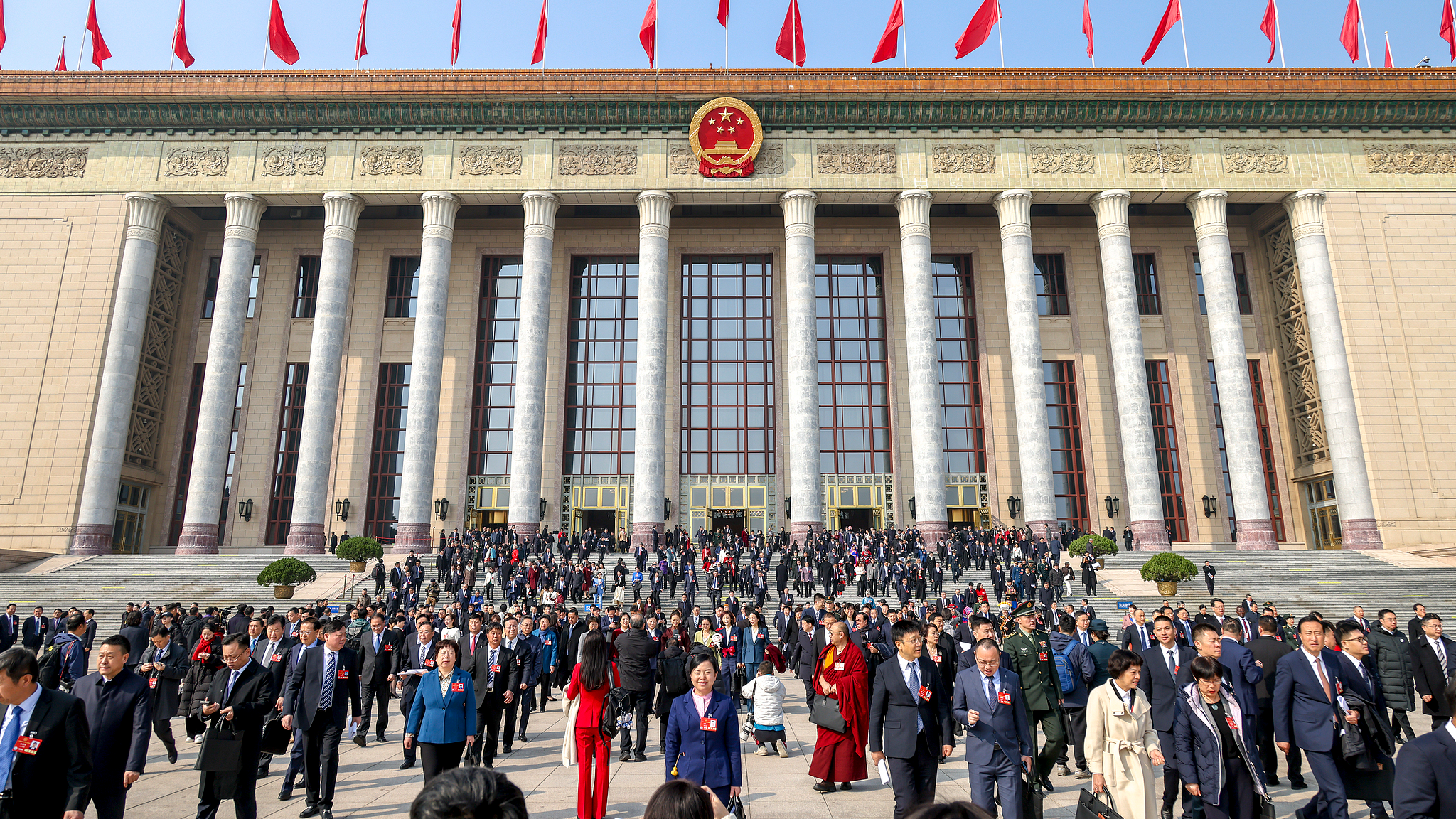
As the new planning period begins, the real question is not simply how fast China will grow, but how effectively it can translate resilience and innovation into long-term prosperity. If the signals from this year's Two Sessions are any indication, the foundations for that next chapter are already being laid.
China's economic trajectory in 2026 will no doubt look sanguine, as China, with "cultural confidence," is heading toward a new digital civilization by pursuing technological development and cultural preservation simultaneously.
China's success in economic growth and tehnological progress is great news not only for the Chinese people but for the world.
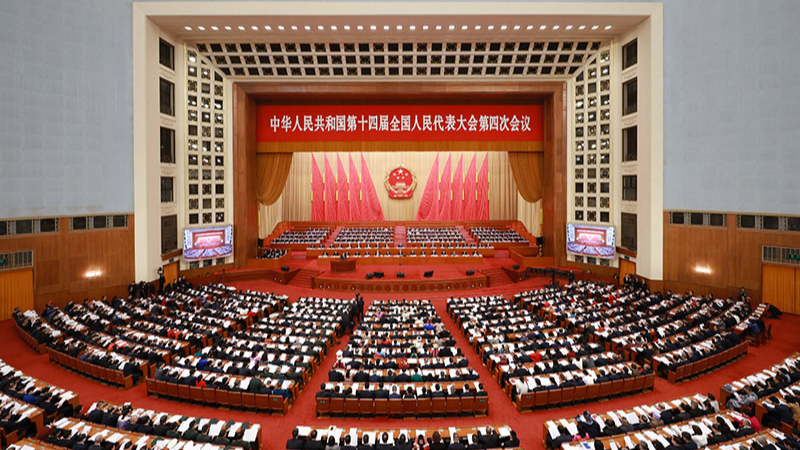
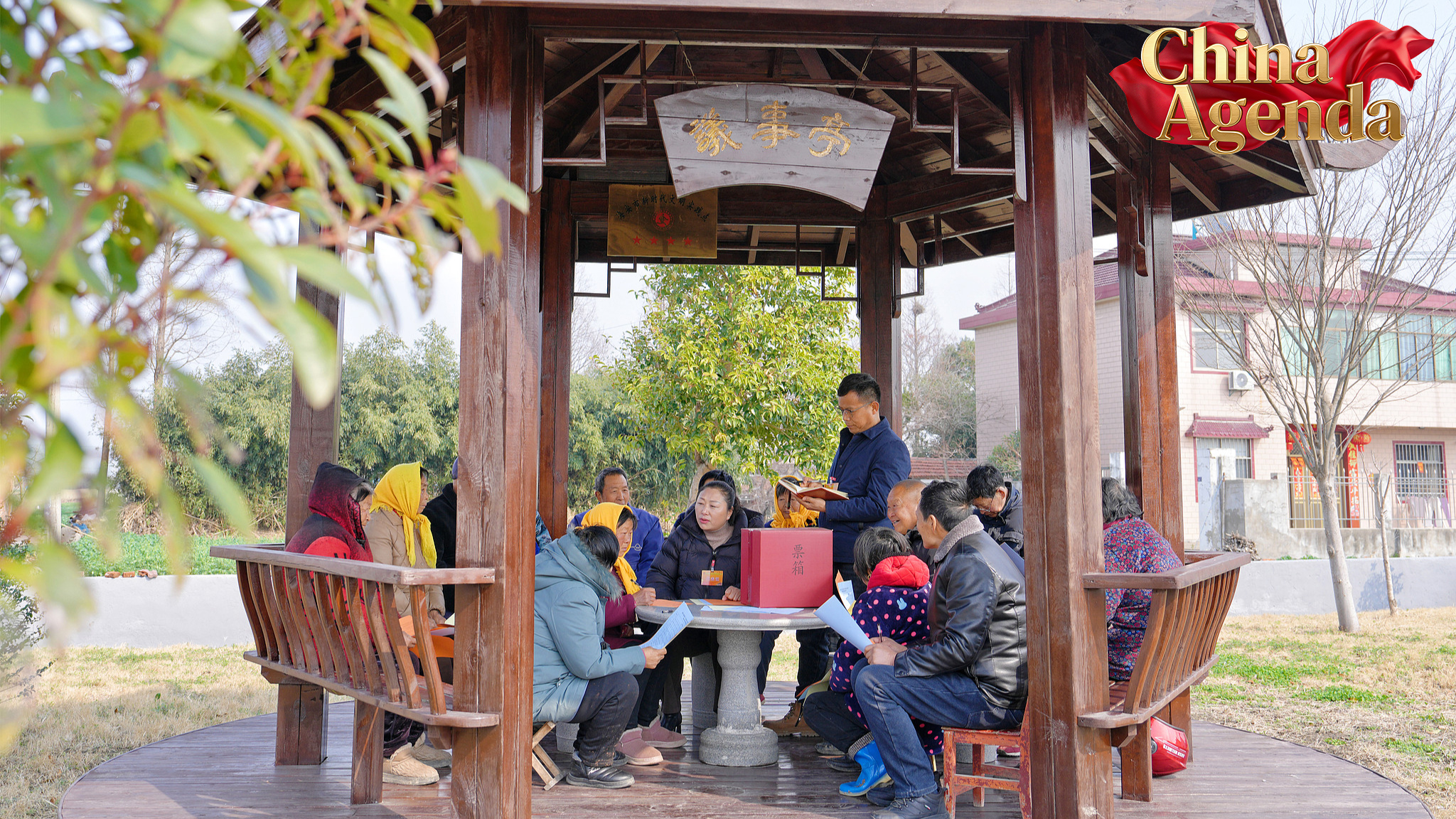
Democracy is a universal value, yet it takes different forms across civilizations. While Western democracies often equate democracy with elections, China has developed a distinct model – whole-process people's democracy – tailored to its national conditions and historical traditions.
China's whole-process people's democracy ensures public participation throughout the entire process of governance, covering all aspects of the democratic process and all sectors of society. This approach fosters broad and continuous participation, ensuring that governance decisions reflect the collective will and evolving needs of society.
How is China's "Innovation Mosaic" taking shape? Explore provincial strategies for AI, robotics and green energy ahead of the 2026 Two Sessions and the 15th Five-Year Plan.
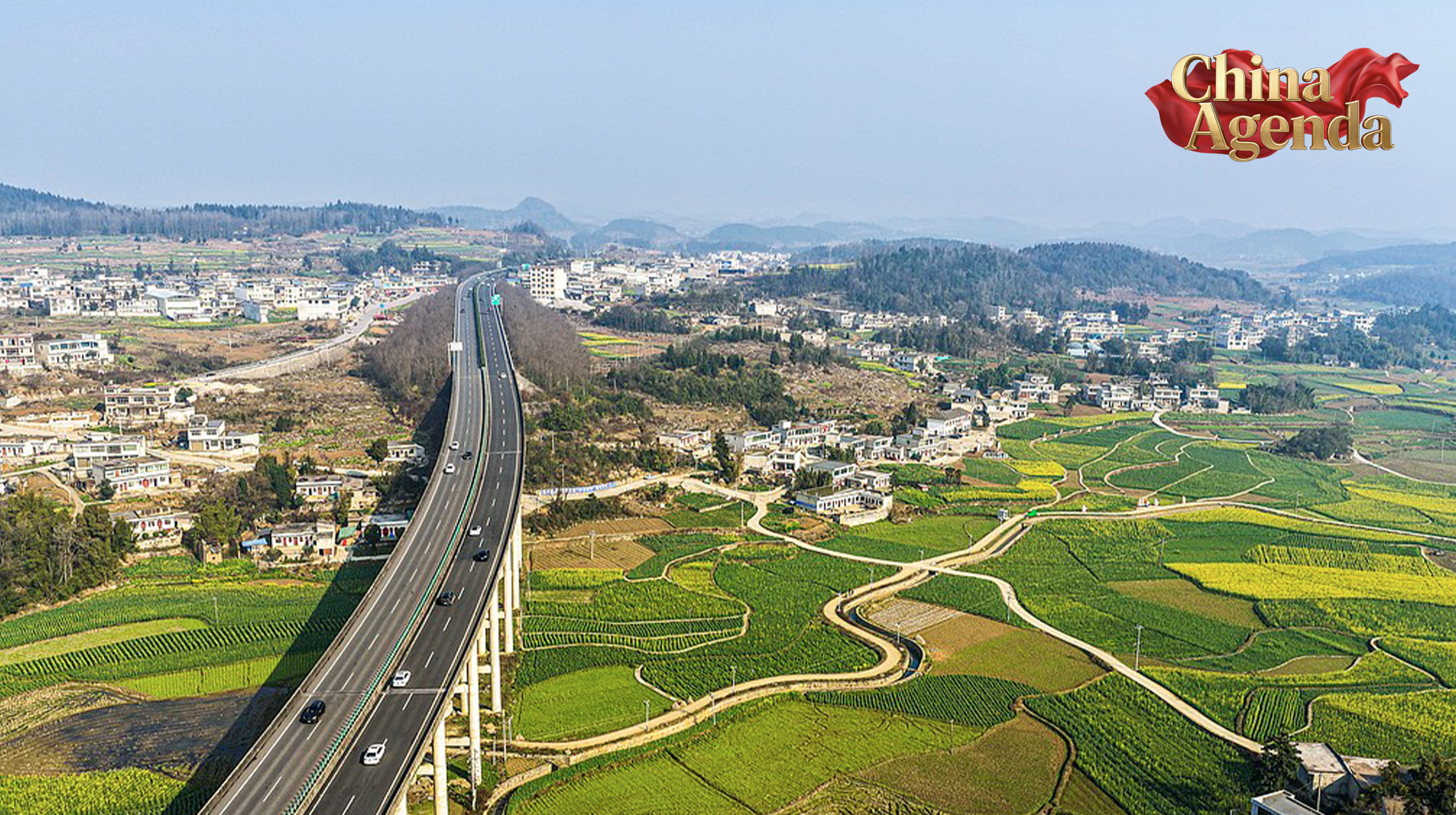
The year 2026 marks the start of the 15th Five-Year Plan (2026-2030) and a new phase of rural revitalization. Early in February, China released its "No. 1 central document" for 2026, focusing on strengthening weak links in agriculture and rural areas to accelerate China's agricultural modernization over the next five years.
With the enhancement of information networks, the refinement of quality control systems, and the strengthening of policy support, a national system for the mutual recognition of medical test results is gradually taking shape, offering the public more convenient, efficient, and affordable healthcare.